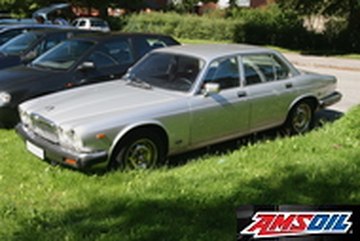
Maintaining Lubrication Integrity for the 1981 Jaguar XJ12 5.3L
Owning a high-displacement engine like the 5.3L found in the 1981 Jaguar XJ12 requires a disciplined approach to fluid maintenance. Because large-capacity engines operate under significant thermal loads and involve complex internal movements, the quality and condition of the engine oil are central to the vehicle's continued operation. Proper lubrication management is not merely about periodic changes; it involves consistent monitoring of the lubricant's properties and the physical integrity of the systems that contain it.
Monitoring Fluid Condition and Potential Leaks
A primary aspect of maintaining this vehicle involves regular visual inspections to identify any changes in the engine environment. For an engine of this era, observing the area around the engine block for signs of seepage is a practical starting point. While many older engines may show minor traces of oil residue, any active dripping or significant wetness on various surfaces warrants closer investigation.
When performing routine checks, look for the following:
- Surface Seepage: Inspect gaskets and seals for signs of age-related seepage. Even if a leak is not currently dripping onto the ground, a buildup of oil around sealing surfaces can indicate that a component is beginning to lose its effectiveness.
- Fluid Appearance: If you are able to safely check the oil level using the dipstick, take a moment to observe the color and texture of the lubricant. Extremely dark or gritty oil may suggest that the interval between changes has been exceeded or that contaminants are present.
- External Contamination: Check for any buildup of dirt or debris that is being held against the engine by leaking fluids, as this can sometimes mask the actual source of a leak.
It is important to remember that visible symptoms, such as an oil spot on a driveway or a change in the smell of the engine bay, can have multiple causes. These observations should be treated as indicators that prompt further inspection rather than definitive diagnoses of a specific failed component.
Managing Long-Term Engine Health
As vehicles age, maintenance priorities often shift from simple part replacement to more comprehensive condition monitoring. For the 1981 Jaguar XJ12, establishing a clear understanding of the vehicle's service history is one of the most effective ways to manage long-term care. If the previous maintenance records are incomplete, an owner may find it useful to establish a new baseline by performing a thorough inspection of all fluid-carrying components.
Prioritizing maintenance based on current condition rather than just chronological age can lead to more efficient ownership. For example, instead of replacing every rubber component regardless of its state, focus on inspecting those that show signs of hardening, cracking, or swelling. This includes checking accessible hoses and belts, if equipped, for any evidence of deterioration. By addressing active concerns—such as a minor leak or an unusual noise—before they escalate, you can maintain the vehicle in a more stable mechanical state.
Keeping detailed records of every oil change, filter replacement, and fluid inspection is highly beneficial. These records allow you to track how the engine responds to different lubricants and help you identify patterns, such as whether the engine is consuming more oil than it used to, which can be a useful metric for assessing long-term engine health.
Observing Potential Warning Signs
While many lubrication issues develop slowly, certain signs require immediate attention. If you notice any of the following during operation or after the vehicle has been parked, it is advisable to investigate the cause:
- Changes in Lubricant Consumption: If you find yourself needing to add oil more frequently than previously recorded, this change in consumption warrants an inspection of the engine's seals and internal components.
- Unusual Noises: Any new mechanical sounds that coincide with engine operation should be investigated. While noises can stem from many different sources, they are often a signal that a component is not receiving adequate lubrication or is experiencing excessive friction.
- Warning Indicators: If the dashboard displays any oil-related warning lights or indicators, this requires immediate investigation to prevent potential damage.
Always approach these symptoms with the understanding that they are signals for further diagnostic work. A single symptom does not point to a specific failure, but it does indicate that the engine's operating environment is no longer within its normal parameters.
The Role of Lubrication in Engine Protection
In a large-displacement 5.3L engine, the oil performs several vital roles beyond simple lubrication. It acts as a primary medium for heat management, helping to carry thermal energy away from high-friction areas and toward the oil pan or cooling systems. Furthermore, the chemical properties of the oil are essential for controlling oxidation and preventing the buildup of deposits that can interfere with engine components over time.
Maintaining the integrity of the lubricant ensures that it can continue to provide a consistent film between moving parts. This film is what prevents metal-to-metal contact, which is critical for reducing friction and managing the mechanical stresses inherent in high-displacement engine operation. When the oil becomes contaminated or loses its chemical stability, these protective functions are compromised.
Practical Steps for Effective Service
To ensure the 1981 Jaguar XJ12 remains in optimal condition, service should be approached systematically. This involves more than just changing the oil; it includes a holistic view of the engine's lubrication and cooling environment. When performing an oil change, it is also a good opportunity to inspect other related items, such as the air filtration system or the condition of electrical connections that may be located near the engine block.
If equipped, inspecting accessible drive belts for signs of glazing, fraying, or cracking can prevent secondary issues that might arise from belt failure. Similarly, checking the condition of hoses and their connection points ensures that the entire system supporting the engine's operation remains robust. A proactive approach—where you are looking for potential issues during every service interval—is far more effective than a reactive approach.
Buying Engine Oil for your 1981 Jaguar XJ12 5.3L
When it is time to replenish the engine lubricant, the most important step is to ensure that the product you select matches the specific requirements of your application. Do not rely on general automotive knowledge or assumptions based on the vehicle's age to determine which oil to use. Instead, match the engine oil to the application-specific viscosity information already displayed on this webpage.
Before making a purchase, carefully check the product labeling to verify that the oil meets the necessary quality standards and certifications. Depending on your specific needs and the current condition of your engine, you may choose between conventional, synthetic blend, or full synthetic formulations. Some high-mileage oil formulations also contain additives intended for use in aging engines, including seal-conditioning additives. However, always prioritize the viscosity and application details provided in the technical data above to ensure the lubricant is appropriate for this 5.3L engine.